

Understanding cultural perspectives in gambling A global journey through beliefs and practices

Understanding cultural perspectives in gambling A global journey through beliefs and practices
Historical Context of Gambling
Gambling has a rich and diverse history that spans centuries and continents. From ancient civilizations using dice and betting on games of chance to modern casino developments, the evolution of gambling reflects cultural values and social norms. In China, for example, gambling dates back over 3,000 years, with evidence found in archaeological sites of games like Keno, believed to have financed the Great Wall. Today, if you’re considering online gaming options, you might want to explore Betmaze, which highlights the advancements in this field. Understanding this historical context provides insights into how beliefs surrounding luck, fate, and moral implications have shaped various gambling practices worldwide.
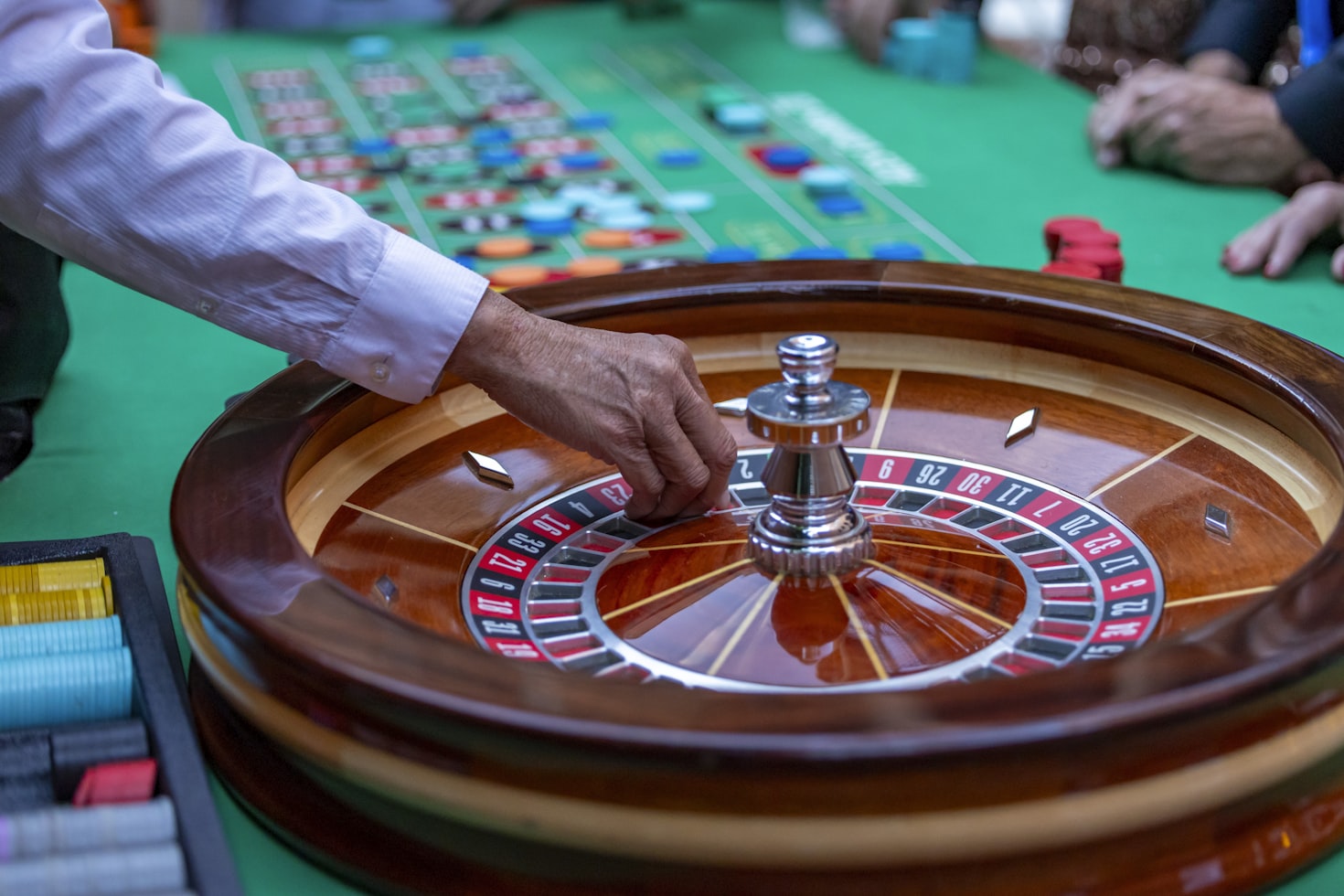
Similarly, the Roman Empire embraced gambling, viewing it as a form of entertainment, complete with games played during festivals. However, gambling was often restricted by law, showcasing the tension between enjoyment and societal concerns. The moral discourse surrounding gambling has continued through the ages, influencing regulations and public perception. This historical backdrop sets the stage for examining how contemporary gambling reflects both traditional beliefs and modern societal changes across cultures.
In more recent times, the rise of technology has transformed gambling practices. The advent of online casinos and mobile betting has made gambling accessible to a broader audience, allowing cultural practices to blend and evolve. Traditional games have adapted to new platforms, and globalized online gambling environments encourage cross-cultural interactions. This shift presents new challenges and opportunities for understanding how different societies engage with gambling in the digital age.
Cultural Beliefs and Gambling Practices
Cultural beliefs heavily influence gambling practices across the globe. In many Indigenous cultures, gambling serves not only as entertainment but also as a means of social bonding and ritualistic expression. For example, Native American tribes incorporate games into their cultural heritage, using them to celebrate community and identity. These practices often reflect deep-rooted beliefs about chance and destiny, where outcomes are seen as manifestations of larger spiritual forces.
In contrast, some cultures view gambling with suspicion and moral apprehension. In Islamic countries, for instance, gambling is generally prohibited due to religious beliefs that consider it sinful. This prohibition shapes societal attitudes toward gambling, leading to unique practices such as informal betting circles or underground games that exist outside legal frameworks. Such dynamics illustrate the complexities of cultural beliefs and their impact on gambling behaviors, emphasizing the importance of context in understanding these practices.
Moreover, the intersection of culture and gambling is further complicated by globalization. As different cultures interact, beliefs surrounding luck and chance can blend or conflict, reshaping how communities perceive gambling. For example, in Japan, pachinko machines serve as a popular gaming form that merges traditional gaming practices with modern technology, attracting diverse demographics. The ways in which these interactions manifest are vital to exploring the broader implications of cultural perspectives in gambling.
The Psychological Dimensions of Gambling
The psychological aspects of gambling reveal how cultural perspectives shape individual motivations and behaviors. Many individuals gamble for the thrill of risk and the allure of potential rewards, which are often influenced by cultural norms. For instance, cultures that emphasize individualism may promote a different approach to gambling compared to collectivist societies, where community and shared experiences play a significant role in betting behaviors. Understanding these psychological dimensions is crucial to interpreting gambling as both a personal choice and a cultural phenomenon.
In addition, the role of superstition in gambling is a potent illustration of cultural beliefs affecting psychological behavior. Many gamblers engage in rituals or adopt specific behaviors to influence luck, such as wearing lucky clothing or engaging in pre-game activities. These practices can be traced back to cultural narratives and historical beliefs that ascribe significance to certain actions. The psychological comfort these rituals provide is an important area of research, illustrating how deeply entrenched cultural narratives can shape individual experiences with gambling.
Furthermore, the growing body of research into problem gambling has highlighted the influence of cultural attitudes on the prevalence of gambling addiction. In cultures where gambling is normalized, the risks associated with excessive gambling might be minimized, leading to higher rates of addiction. Conversely, in societies with negative views on gambling, individuals may experience stigma, making it more challenging to seek help. Thus, understanding the psychological dimensions of gambling within cultural contexts can inform both prevention and treatment strategies for problem gambling.
Global Regulations and Their Cultural Implications
Regulations surrounding gambling vary widely across the globe, largely influenced by cultural beliefs and societal values. In countries such as the United States, gambling laws differ from state to state, reflecting local attitudes towards risk-taking and the perception of gambling as a legitimate form of entertainment. States that embrace gambling often do so to stimulate economic growth, while others maintain restrictions rooted in cultural conservatism or moral opposition.
In Europe, countries like Malta and the UK have established frameworks that not only regulate gambling but also promote responsible gaming. This approach showcases a cultural understanding of gambling as both a popular pastime and a public health concern, emphasizing player protection and awareness. Such regulatory frameworks can serve as models for other nations, illustrating how cultural perceptions can shape policy and governance in the gambling sector.
In contrast, in parts of Asia, where gambling is tightly controlled or entirely banned, cultural and political factors play significant roles in maintaining these regulations. The contrasting approaches to gambling regulation worldwide highlight the intricate relationships between cultural beliefs, economic considerations, and legal frameworks. Understanding these dynamics is essential for policymakers and stakeholders in the global gambling landscape.
Exploring Online Gambling and Cultural Shifts
The rise of online gambling has introduced significant cultural shifts in how gambling is perceived and practiced. Traditional boundaries have blurred as players from diverse backgrounds interact in virtual spaces, fostering a global gambling community. This phenomenon raises questions about cultural adaptation, as individuals navigate varying attitudes towards gambling in a digital context. Online platforms often reflect a mix of cultural influences, promoting games that appeal to a wide audience while also maintaining local preferences.
Moreover, online gambling has made it easier for players to engage with games that might be culturally alien to them. For instance, a player from the United Kingdom might find themselves playing traditional Asian games, which can lead to a blending of cultural practices and perspectives. This cross-cultural interaction presents opportunities for fostering understanding and acceptance but can also result in cultural appropriation or misunderstanding if not approached respectfully.
The implications of these cultural shifts are significant for the future of gambling. As online platforms continue to evolve, operators must consider the cultural nuances of their audience to create inclusive experiences. Balancing global trends with local customs is vital for success in the competitive online gambling landscape. The ongoing dialogue between traditional practices and modern technology reflects the dynamic nature of gambling as a cultural phenomenon.

Your Gateway to Online Gambling
At Betmaze UK, we recognize the rich tapestry of cultural perspectives in gambling and offer a platform that respects these diverse beliefs. With an extensive selection of over 2,500 slots and live casino options, players can explore various gaming experiences that resonate with their cultural backgrounds. Our commitment to user satisfaction and safety aligns with a growing global understanding of responsible gambling practices.
In addition to providing a vibrant gaming environment, Betmaze UK prioritizes transparency and support for our players. We understand the importance of creating a space where cultural beliefs are acknowledged, allowing for enjoyable gaming experiences that cater to diverse preferences. Our enticing welcome offers and fast withdrawals further enhance the overall experience, ensuring that players feel valued and supported in their gambling journey.